Source Clean Booster Pump for Water, Oil, and Chemical Use
Find 30 clean booster pump options from verified Chinese manufacturers. Compare vertical high-pressure models with CE and ISO certifications for water, oil, and chemical applications. These units feature electric motors, cast iron construction, and customizable seals to meet diverse industrial needs including sewage, slurry, and clarifying water treatment processes.
Key considerations
Products List




Comprehensive Sourcing Guide
Clean Booster Pump Sourcing Guide
Sourcing clean booster pumps requires a disciplined approach to matching hydraulic performance with specific operational demands. Buyers must first define the required flow rate and head pressure, ensuring the selected unit aligns with the system’s maximum capacity needs. The observed market offers models with heads exceeding 150 meters and capacities over 400 liters per minute, indicating a wide range of high-pressure capabilities. Understanding these baseline metrics is crucial for selecting a pump that maintains consistent pressure without excessive energy consumption or premature wear.
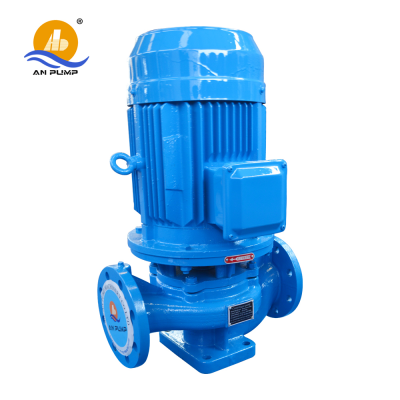
Beyond raw performance, the physical configuration and drive type significantly impact installation and maintenance. Vertical edge shaft positions and single-stage centrifugal designs are common, offering compact footprints suitable for space-constrained utility rooms. Buyers should verify whether the pump is driven by an electric motor, diesel engine, or variable frequency drive, as this choice affects operational flexibility and energy efficiency. Additionally, confirming the connection type, whether belt-driven or direct coupling, ensures compatibility with existing piping infrastructure and reduces the risk of mechanical failure during startup.
Product Scope and Observed Listing Signals
The current market landscape for clean booster pumps reveals a diverse array of product models, including QDL, ASW, and SCPMN series units. These variations often correspond to specific structural designs, such as vertical inline pipeline pumps or submersible configurations, catering to distinct application environments. Listings frequently highlight customization options, allowing buyers to tailor features like shaft seals—available in packing, mechanical, or expeller types—to suit the purity and abrasiveness of the water being handled. This flexibility is essential for maintaining system integrity in sensitive applications like drinking water treatment or food and beverage processing.
Material composition and color coding also serve as key identifiers in product listings. Cast iron remains a prevalent material choice, offering durability and cost-effectiveness for general industrial use, while color options like blue, yellow, or green may indicate specific service lines or manufacturer branding. Buyers should note that while many products are marketed for clarified water, some listings also mention suitability for slurry, sewage, or chemical applications, necessitating careful verification of material compatibility. Ensuring the pump’s construction aligns with the specific chemical properties of the fluid prevents corrosion and extends the operational lifespan of the equipment.
Technical Specifications to Verify
Verifying the shaft seal type is a critical technical step to prevent leakage and ensure long-term reliability. Mechanical seals are often preferred for clean water applications due to their superior containment capabilities, whereas packing seals may require more frequent maintenance. Buyers must also confirm the pressure rating and maximum head specifications to ensure the pump can overcome system resistance without overworking the motor. The distinction between single-stage and multi-stage designs further influences pressure output, with vertical configurations often providing higher heads in a compact form factor suitable for booster applications.
Electrical and drive specifications require precise alignment with the facility’s power infrastructure. Confirming whether the pump is electrically driven and compatible with standard voltage frequencies is essential for seamless integration. Additionally, the cable length should be verified against the distance between the power source and the pump location, as custom lengths may be required for optimal installation. Buyers should also assess the starting mechanism, ensuring that electric start-up procedures are compatible with existing control systems to avoid operational delays or electrical faults during initial commissioning.
Compliance and Safety Documentation
Certification verification is paramount to ensure the pump meets international safety and quality standards. Common certifications observed in the market include CE, ISO, BV, SGS, and TUV, which indicate adherence to rigorous manufacturing and performance benchmarks. Buyers should request valid certificates for each unit purchased, particularly when importing from regions like Hebei, China, to ensure compliance with local and international regulatory requirements. These documents provide assurance that the product has undergone independent testing and meets essential health, safety, and environmental protection criteria.
Quality guarantees and warranty terms offer additional layers of protection for the buyer. Standard offerings often include one-year warranties after commissioning or eighteen months after delivery, reflecting the manufacturer’s confidence in product durability. Buyers must clarify the scope of these warranties, including coverage for parts and labor, and understand the conditions under which the guarantee remains valid. Additionally, confirming the availability of overseas engineering support ensures that technical assistance is accessible for troubleshooting or maintenance, reducing downtime and extending the operational life of the booster pump system.
Cost Drivers and Commercial Terms
Pricing for clean booster pumps varies significantly based on specifications, materials, and customization levels. The observed price range spans from approximately $6.10 to $12,000, reflecting the diversity from basic components to fully integrated high-pressure systems. Buyers should analyze cost drivers such as motor power, seal type, and material grade to understand the value proposition of each quote. It is crucial to request detailed breakdowns to identify hidden costs, such as shipping, packaging, or additional accessories, ensuring a transparent comparison between different suppliers and models.
Payment terms and lead times are critical components of the commercial agreement. Typical arrangements may involve a 50% deposit via telegraphic transfer, with the balance due before delivery, aligning cash flow with production milestones. Buyers must also confirm the product lead time, which often begins after order confirmation, to plan installation schedules accurately. Understanding these financial and logistical terms helps mitigate risks associated with delays or unexpected costs, ensuring a smooth procurement process from order placement to final installation and commissioning.
Supplier Qualification and Quality Control
Evaluating supplier qualifications involves assessing their manufacturing capabilities and quality assurance processes. Buyers should verify that suppliers adhere to recognized standards, such as Class One manufacturing practices or custom drawing specifications, to ensure consistent product quality. Requesting evidence of past performance, including references or case studies, can provide insight into the supplier’s reliability and ability to meet specific project requirements. Additionally, confirming the supplier’s capacity for OEM and ODM services ensures they can accommodate unique design needs or branding requirements.
Packaging and shipping methods also play a role in protecting the product during transit. Standard export packaging, including fumigated wooden cases or standard wooden crates, helps safeguard the pump from damage and environmental exposure. Buyers should verify that the packaging meets international shipping regulations, particularly for wooden materials, to avoid customs delays. Ensuring proper packaging not only protects the investment but also facilitates easier handling and installation upon arrival, reducing the risk of pre-commissioning issues.
Long-Term Procurement Checks
Establishing a robust after-sales service framework is essential for maintaining pump performance over time. Buyers should confirm the availability of engineers for overseas service, ensuring that technical support is accessible for complex repairs or maintenance tasks. This support is particularly valuable for high-pressure systems where specialized knowledge is required for troubleshooting. Developing a long-term relationship with a supplier who offers comprehensive service coverage can significantly reduce downtime and extend the operational life of the booster pump system.
Regular performance monitoring and preventive maintenance are key to sustaining efficiency. Buyers should implement a schedule for inspecting seals, bearings, and electrical connections to identify potential issues before they lead to failure. Keeping detailed records of maintenance activities and performance data helps in predicting replacement needs and optimizing operational costs. By prioritizing long-term reliability and service support, buyers can ensure their clean booster pump systems continue to deliver consistent performance, meeting the demands of their specific applications for years to come.
FAQs
How does a clean booster pump increase water pressure in a building system?
A clean booster pump raises incoming water pressure by adding centrifugal force to the flow, typically using a vertical inline or multistage design. It is installed on the supply line after filtration, sized against required head and capacity, and driven by an electric motor, with belt or direct coupling connection depending on the installation.
What certifications should I check before ordering a clean booster pump?
Look for CE and ISO certification as a baseline, and ask suppliers for BV, SGS, or TUV certificates where the destination market or project requires them. Request certificate copies before ordering, confirm they apply to the specific pump model, and verify that the pump standard matches your project specification or supplied drawings.
Which drive options are available for a clean booster pump?
Clean booster pumps can be driven by an electric motor, a diesel engine, or a variable frequency drive. Electric start-up is common for fixed installations, while VFD control lets the pump match output to demand and reduce energy use. Confirm available drive types and connection options, such as belt or direct coupling, with the supplier.
Can a clean booster pump be customized for my project requirements?
Yes, customization is generally available, including OEM and ODM support. Buyers can specify cable length, shaft seal type such as packing, mechanical, or expeller seal, color, and pressure requirements. Provide your drawings, head and capacity needs, and medium details so the supplier can confirm the configuration before quoting and production.
What materials and seals are used in these clean booster pumps?
Listed clean booster pumps commonly use cast iron construction with a choice of packing seal, mechanical seal, or expeller seal. Material and seal selection should match the pumped medium, such as clarified water, sea water, or light chemical liquids. Always confirm the wetted parts material and seal arrangement in writing before placing an order.
How is a clean booster pump packed and shipped from the factory?
Suppliers typically pack clean booster pumps in wooden cases, with fumigated wooden cases used for export shipments. Packaging protects the pump casing, motor, and coupling during long transit. Confirm the packing method, single package dimensions, and loading arrangement with the supplier, and request photos before goods leave the factory.
What warranty and after-sales support can I expect for a booster pump?
Warranty terms vary by supplier and are commonly stated as one year after commissioning or eighteen months after delivery. Some suppliers offer a three-year warranty and provide engineers who can service machinery overseas. Ask for the warranty scope in writing, including which parts are covered and how service visits are arranged.
What payment terms and lead times apply when ordering a booster pump?
A common arrangement is T/T with fifty percent deposit and the balance before delivery, with shipment arranged after order confirmation. Lead time depends on model, customization, and order quantity, so confirm the schedule in the proforma invoice. Provide your deadline early so the supplier can plan production and testing accordingly.